


2026 BetRivers Poker Championship Runs Sept. 27–Oct. 11 With $600K Guaranteed
By Sandra Gaweda · September 23, 2026 · 4 min read BetRivers Poker is running its largest online tournament series


Poker Etiquette: Dos and Don’ts at the Table for 2026
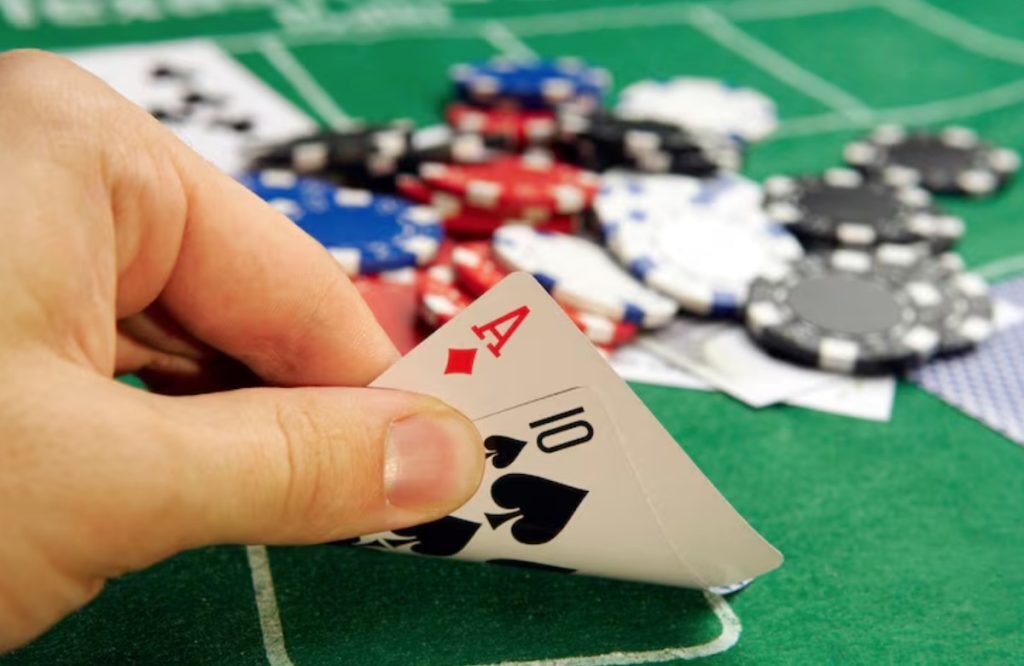
Etiquette at the poker table has changed enormously over the years. In 2026, The games are faster, the players are better informed and the amount of information available away from the table is almost limitless compared to 1970 when the World Series of Poker launched in Las Vegas. Behavior is everything in poker. Knowing how to act both on and off the felt is vital to both your reputation and your bankroll.
From the style of play throughout the years to how to act at the poker table and among other players, poker etiquette has moved on from humble beginnings into a multi-faceted game known worldwide. We’ve broken down some of the dos and don’ts for this new poker era and how to navigate the poker world in 2026 as your best self.
While you might know how to play poker, how you behave in and around the game is just as important in 2026. Good poker etiquette makes the game more enjoyable for everyone as well as keeping things moving and preventing small misunderstandings from turning into unnecessary arguments at the felt.
There are also a few modern considerations that have become increasingly important to those who play the game and administer the rules. Phones are everywhere now, so dealers are expected to maintain a faster pace, while players are more familiar with tournament rules. Live poker now attracts a mixture of experienced regulars, recreational players and people who may have learned almost everything they know from watching live streams like Hustler Casino Live.
So, whether you are sitting down for your first live tournament or have thousands of hands under your belt, every cardroom has its own procedures, and tournament rules can differ from cash game rules. When you arrive in a new cardroom, always pay attention to announcements and ask the dealer if you are unsure about something. Do not assume that a rule works exactly the same way because that is how it was handled in another casino.This is particularly important around such matters as betting lines, verbal declarations, missed blinds, exposed cards, all-in procedures and electronic devices.
This sounds obvious, but it is probably the most important piece of table etiquette you should pay attention to. Live poker moves more slowly than online poker, and it’s easy to become distracted. Your cell phone, conversations with other players, the television in the corner of the cardroom and everything happening on neighbouring tables can all take your attention away from the action.
When you are involved in a hand, keep track of the action. Know when it is your turn, know what the current bet is and make your decision within a reasonable amount of time. You don’t need to play every hand at lightning speed. Taking time over an important decision is perfectly acceptable. But deliberately slowing the game down when you already know what you are going to do is unacceptable and you must behave in accordance to the basic rule of thumb that if you would find it unpleasant yourself, then don’t inflict it on others.
Acting out of turn is frowned on now as it always has been. Time banks or clocks can accelerate play but they require extra attention in 2026. Do not announce a fold, call or raise before the action reaches you. Avoid reaching towards your chips when another player is still considering their action and be particularly careful not to make gestures that could be interpreted as an action.
If you accidentally act out of turn, stop and let the dealer handle it. Do not try to argue your way out of the situation or insist that the action should be treated in a particular way. The dealer and, where necessary, the floor staff will determine what happens next.
In the 1970s, string betting was considered the height of rudeness. In 2026, moving to act then drawing back from doing so is the more common illegal play. Both actions highlight a player’s bad intentions and terrible poker etiquette. Clear betting is good etiquette and protects you from unnecessary confusion.
Announce your intended action when there is any possibility of ambiguity. Saying “raise” out loud before putting chips into the pot removes doubt. When making a large bet, verbalising the amount can also be useful to the dealer, and the other player(s) in the hand.
Be especially careful with chips. Putting a single oversized chip into the pot without announcing a raise will normally be treated as a call under standard live poker rules, although exact procedures can vary between cardrooms. Keep your chips visible and stack them neatly, in piles of 20 is useful, especially if the event is being reported as it helps those gathering information to quickly ascertain your stack size. Avoid splashing chips into the middle of the table, which makes it harder for everyone to establish the size of the bet.
Protect your hand at all times, using a card protector if useful. For many years, Greg ‘Fossilman’ Raymer used a small fossil to cover his cards while they rested face down at the table during a hand. Any simple card protector – or even a chip placed on top of your hole cards – will do the job, however, and should prevent accidental folds when somebody reaches across the table or the dealer collects the muck.
Never deliberately show your cards to another player while a hand is still in progress. Do not flash your cards to a friend, show them to somebody standing behind you or turn them over because you think everyone else has folded. You may not have noticed someone new at the table poorly covering their cards or caught mid-action. Wait until you know it is safe to release cards and by and large, resist from ever showing them unless forced to at showdown. Keep your cards on the table and make sure they remain visible to the dealer. This is particularly important in live tournaments, where an incorrectly mucked hand can have serious consequences.
Dealers are there to run the game, not to be the target of frustration when a bad beat arrives. What would have passed as disgraceful conduct back in the early days of poker is now sadly more commonplace. That doesn’t make it any better, only that it needs correcting more drastically.
Dealers will occasionally make mistakes, don’t argue with them. Players will occasionally misunderstand an action. Bad beats aren’t anyone’s fault, they just happen. Chips will be counted incorrectly and cards will sometimes end up in the wrong place. The correct response is to alert the dealer calmly and allow the situation to be resolved. Don’t try to solve the situation yourself – you’re not in charge!
Also, tipping dealers is also an established part of live poker culture in many jurisdictions, particularly in cash games. The exact amount is a matter of personal choice and local custom, but treating dealers respectfully should not depend on whether you have just won or lost a pot. If you’d tip after they deal you a royal flush, then you should still tip if they hand you full house under full house.
It is important to be polite no matter what your circumstances in the game of poker. Make sure you don’t celebrate another player’s bad luck, and while winning a big pot is obviously something to enjoy, excessive celebrations can make the table feel uncomfortable and multiple players can target you and a result. The same applies to reacting dramatically when somebody loses a large pot or suffers a bad beat. Take care not to amplify situations; poker is an intense game and needs very little improvement outside its own mechanics.
Table banter is part of live poker, and many games are more enjoyable because of it. The important distinction is whether everyone involved is enjoying the conversation or if anyone is negatively affected by it. If so, leave the banter bus right away. Personal insults, repeated needling or comments designed to provoke another player are unwelcome.
The same is true of personal space. Keep to your own section of the table, which may be tight if you’re ten-handed for example. Respect that each player at the table has a defined area. Don’t move chips across the betting line until you are ready to make your action. Do not leave your cards somewhere the dealer cannot easily see them. Avoid leaning across the table or reaching into another player’s space.
Phones are an unavoidable part of modern poker, but they should not interfere with the game itself. Checking messages while folded is generally accepted in many cardrooms, subject to house rules. Watching videos with the volume on, making long phone calls or becoming so absorbed in your screen that you repeatedly miss your action is poor etiquette and will get you a bad rep very quickly.
Players should also be aware of cardroom rules concerning electronic devices. Tournament organizers may have specific restrictions, particularly around live streaming, photography and the use of technology during hands… whether you’re part of the action or not.
This is one of the biggest etiquette rules in poker and could easily be double-underlined. Never, ever tell another player what you think they should do while they are making a decision. Don’t announce what you think someone is holding and easiest to miss but possibly most affecting to the players in a hand, don’t ever discuss the strength (or not) of your own folded hand while action continues around you. Even comments that seem harmless can reveal information and influence the outcome of any hand.
Once the hand is over, discussing the action is usually fine, particularly in a friendly cash game. During the hand, however, keep your thoughts to yourself. Imagine if you’re considering moving all-in with pocket queens against an opponent’s unknown hand pre-flop and a player who has folded announces that they made an agonizing fold with queen-ten due to the raised stakes. You then fold to a five-bet shove from pocket tens because you know – or at least believe – that if behind, you would only be drawing to one queen instead of two. Now let’s imagine that you lost a pot you were destined to win because of it. That’s painful, so don’t inflict it on others.
Even after the action, live poker attracts players with wildly different levels of experience. Someone making a mistake doesn’t need another player to explain what they did wrong. Offering advice after every hand can quickly become irritating, even when the advice is correct. Wait until somebody asks, or until the table conversation naturally moves in that direction.
Angle shooting sits in the grey area between cleverness and deliberately exploiting uncertainty in the rules. It’s often simply cheating but without the word attached to it. Fake betting motions we’ve already discussed as a major poker etiquette faux pas.
Misleading verbal declarations, intentionally hiding large denomination chips and deliberately creating confusion about an action are all behaviors that can make a game unpleasant for others. Good poker is about making decisions within the rules, not trying to manipulate another player into making a mistake about what you have done.
Not everyone at the table is trying to become a professional poker player. Some people are there because they enjoy the atmosphere. Others will be celebrating a birthday, or have qualified for a tournament or just fancy playing a few hours of cards for a novelty. You may win money from these players more often but don’t ‘tap the tank’ and put the fish off ever returning. Not all players will deserve to win, but everyone deserves a fun experience. Spoil it for a newbie and you might never see them play poker again, losing the chance to ever win money from them, or hey, just meet a stranger who turns into a friend.
Making every player you meet feel welcome is good for the game. Nobody benefits when a newcomer walks away from their first live poker experience believing that everyone at the table was waiting for them to make a mistake. Winning money may be each of our objectives but keeping the game enjoyable is part of what keeps live poker alive.
Live poker can demand new skills to some who are used to the online poker streets or have never played outside their home game. If so, use our handy checklist to make sure that you stick to the seven golden rules of poker etiquette:
Most poker etiquette comes down to having an intention to make the game easier for everybody else. Keep the game moving without rushing people who are facing genuinely difficult decisions and stay away from arguments about strategy, questionable plays or bad beats. Good etiquette in 2026 means keeping those moments from becoming bigger problems and understanding that everyone at the table is there to have fun.
By Sandra Gaweda · September 23, 2026 · 4 min read BetRivers Poker is running its largest online tournament series
By Sandra Gaweda · Published September 22, 2026 · 4 min read Joseph Ferguson, a self-described hobbyist from Oklahoma, is

By Sandra Gaweda – Published September 18, 2026 – 6 minute read Australian Poker Hall of Famer Gary Benson has



Comments