

legal-united-states-poker-sites
  • Online Poker
    • Poker Tournaments
    • Card Rooms
    • Poker Apps
    • Real Money Online Poker
    • Poker Games
      • Caribbean Stud
      • Mississippi Stud
      • Texas Hold'em
      • 5 Card Stud
      • 7 Card Stud
      • 5 Card Draw
      • 3 Card Poker
      • Omaha
      • Omaha Hi Lo
      • Horse Poker
  • Reviews
    • Americas Cardroom
    • Betonline
    • Black Chip Poker
    • Bovada
    • Ignition
    • Sportsbetting Poker
  • Deposit Methods
    • Bitcoin
    • Prepaid Visa
    • Visa
    • Cash App
    • Mastercard
  • Poker By State
    • Alabama
    • Alaska
    • Arizona
    • Arkansas
    • California
    • Colorado
    • Connecticut
    • Delaware
    • Florida
    • Georgia
    • Indiana
    • Idaho
    • Illinois
    • Iowa
    • Kansas
    • Kentucky
    • Louisiana
    • Maine
    • Massachusetts
    • Maryland
    • Michigan
    • Minnesota
    • Mississippi
    • Missouri
    • Montana
    • Nebraska
    • Nevada
    • New Hampshire
    • New Jersey
    • New Mexico
    • New York
    • North Carolina
    • North Dakota
    • Ohio
    • Oklahoma
    • Oregon
    • Pennsylvania
    • Rhode Island
    • South Carolina
    • South Dakota
    • Tennessee
    • Texas
    • Utah
    • Vermont
    • Virginia
    • Washington
    • West Virginia
    • Wisconsin
    • Wyoming
  • World Series of Poker
    • Schedule
    • Main Event
    • Satellite
  • Poker Strategy
    • Bankroll Management
    • Betting Rules
    • Bluffing
    • Check Raising
    • Hand Rankings
  • Tournaments
Flag Background
Home › Poker Strategy › Heads-Up Poker

Heads-Up Poker for Beginners

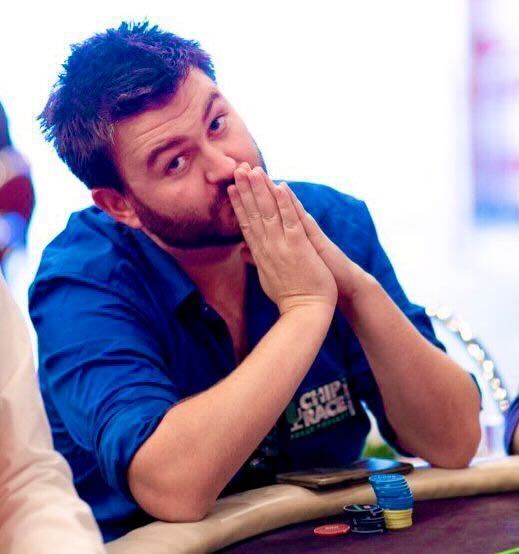
heads up poker image to resemble the famous scene from rounders

Heads-up poker for beginners is all about learning to think fast, stay aggressive, and read your opponent under pressure. With only two players at the table, every hand is personal. You’ll face more decisions, more action, and more chances to outplay the competition.

This format captures the essence of real poker strategy, where position, aggression, stack depth, and opponent reads determine who comes out ahead. Understanding these areas is key to building a solid one-on-one game.

Understanding Heads-Up Poker for Beginners

Heads-up poker moves fast and rewards sharp instincts. Because there are only two players, you’ll be dealt the blinds every hand and forced to play wider ranges. You don’t always need a premium hand to win. Many that you would fold at a full table are good enough here.

Good heads-up players learn to shift gears quickly. They play aggressively, mix up bet sizes, and read their opponent’s reactions in real time. Patience still matters, but waiting too long can cost you the pot.

Key Differences From Full-Ring Play

Heads-up poker feels completely different from playing at a full table. Here’s what changes when it’s just you and one opponent:

  • Hand strength shifts. Big pairs still matter, but you’ll win many pots with top pair or even less.
  • Bluffing happens more often. With only two players, folding too much becomes easy to exploit.
  • Position becomes critical. You act last every other hand, which gives you more control over the pot.
  • Betting patterns are personal. Instead of general trends, you adjust to one player’s habits and timing.
  • Reads get sharper. You’re focused on a single opponent, so small reactions and timing tells become powerful clues.

Because there are only two of you, the game becomes more psychological. You’re not just playing the cards, you’re playing the player.

Position and Button Play

Position is one of the biggest advantages in heads-up poker for beginners. When you’re on the button, you act last after the flop, which gives you more control over the pot and better information before you bet.

  • Button play: Open most hands and keep steady pressure. Acting last lets you react instead of guessing.
  • Big blind play: Since you already have chips in, defend a bit wider. Mix in re-raises sometimes, but avoid chasing every hand.
  • Using aggression: Keep control with continuation bets, especially when the flop misses both players. Bet small on dry boards and larger on draw-heavy ones.
  • Reading habits: Watch how often your opponent defends, check-raises, or folds. These small patterns help you spot weak spots faster than charts can.

Aggressive Play Fundamentals

Winning heads-up poker players aren’t reckless; they’re measured aggressors. They raise often, pressure weak ranges, and rarely let opponents see a free card.

Betting Patterns and Sizing

Mastering bet sizing is key to staying aggressive without overextending.

  • Preflop Raises: Open around 2–2.5x the big blind to build pots efficiently.
  • C-Bets: Fire most flops where you have range advantage, but slow down if they start calling wide.
  • Bet Sizing: Go smaller on dry boards, bigger on wet ones to control pace and pressure.
  • Check-Raising: Mix in check-raises from the big blind with value hands and semi-bluffs to stay unpredictable.
  • River Bluffing: Bluff when your line tells a believable story, especially with blockers that weaken your opponent’s range.

Raising and Re-Raising Strategy

Raising at the right times helps you take charge of the hand and keep opponents uncomfortable.

ScenarioActionReasoningExample
Opponent min-raises3-betTake initiative and build pot with solid hands.K-Q offsuit to about 3x their raise.
Small flop c-betRaise (polarized)Apply pressure to capped ranges.Raise nut-flush draws or top two pairs.
Turn checkBetDeny equity and win the pot.Bet 70% pot with middle pair and backdoor draw.
Facing river overbetFold more oftenPopulation rarely over-bluffs large pots.Fold marginal top pair on straight-heavy board.

For heads-up poker for beginners, aggression often makes the difference between surviving and dominating.

Stack Size Management for Heads-Up Poker

Your stack depth shapes every decision you make. Playing 20 blinds deep is nothing like playing 100.

Understanding Stack-to-Pot Ratios

Stack-to-pot ratio (SPR) measures how committed you are to a hand once the flop hits.

  • Low SPR (1–3): Commit easily with top pair or better.
  • Medium SPR (3–6): Pot control becomes key.
  • High SPR (6+): Plan multiple streets ahead; hands like one pair lose value.

Strategic Adjustments by Stack Depth

heads-up poker for beginnersStrategy AdjustmentKey Focus
Short (10-20 BB)Use shove-or-fold charts to push thing edges.Maximize fold equity.
Medium (20-40 BB)Mix 3-bet jams with small 3-bets.Watch blocker effects and tournament pressure.
Deep (40-100 BB)Play more post-flop; widen range.Position edge and balanced aggression.
Very Deep (100+BB)Target implied-odds hands; add traps.Keep aggressive unpredictable.

Reading and Adapting to Opponents

In heads-up poker, every opponent is a puzzle. The faster you figure out their habits, the easier it is to counter them.

Opponent Types in Heads-Up Poker

Classifying your opponent’s play style allows you to tailor your strategy effectively.

  • Tight-Aggressive (TAG): Respect their 3-bets but attack their folded big-blind frequency.
  • Loose-Aggressive (LAG): Trap with premium hands and widen your calling range pre-flop to realize equity.
  • Tight-Passive (TP): Value-bet relentlessly; avoid elaborate bluffs.
  • Loose-Passive (LP): Extract maximum value; thin value bets become profitable.
  • Unpredictable (Balanced/Reg): Default to more theory-sound lines, then deviate when a leak emerges.

Adjustment Strategies in Heads-Up Poker

Winning heads-up poker means adapting fast. Here’s how to counter common tendencies:

  • Opponent check-raises too often: C-bet less frequently and 3-bet your strong hands or good draws.
  • River overbets on scary boards: Call only with the top of your range and fold the rest.
  • Folds to c-bets 70% or more: Fire smaller, frequent bets and mix in delayed c-bets to stay balanced.
  • Passive pre-flop but aggressive post-flop: 3-bet more before the flop, then keep pots smaller afterward.
  • Slow-plays big hands: Go for thin value and use blocker bets to control river costs.

Advanced Concepts and Applications

Once you’ve got the basics down, start refining your play with deeper strategy concepts. You can explore more in our Ultimate Guide to Poker Strategy for advanced insights and examples.

Bluffing in Heads-Up Poker Play

Bluffing keeps your range balanced and your opponent guessing.

  • Frequency: A solid bluff-to-value ratio is about one bluff for every two value bets.
  • Board Texture: Bluff more often on boards that favor your perceived range.
  • Opponent Tendencies: Increase bluffs when opponents fold often to river bets.
  • Position: Acting last raises your bluff success rate.
  • Consistency: Make sure your story makes sense from flop to river.

Mindset and Mental Game

The mental aspect of poker is just as important as the technical side.

  • Stay Composed: Tilt kills win rates. Step away, breathe, and reset before frustration takes over. Strong bankroll management helps prevent emotional decisions when variance hits.
  • Spot Tells: Timing still matters online—fast calls often mean weak pairs, long tanks show strength or indecision.
  • Mind Games: Mix things up. Limp strong hands or slow-play trips to break patterns.
  • Confidence: Stay calm and certain. Composure at the table wins pots long before showdown.

Staying centered under pressure separates solid players from great ones. Keep your emotions steady, trust your reads, and let every decision come from clarity, not impulse.

Mastering Heads-Up Poker: Your Next Move

Heads-up poker is fast, personal, and brutally honest. Every hand tests your ability to think clearly and adapt. Keep studying your sessions, review hand histories, and track your tendencies. Join strategy discussions or run simulations to see how pros approach similar spots. Improvement takes time, but steady progress pays off. The more you practice these principles, the more natural heads-up play will feel and the faster your results will follow.

Sandra Gaweda

Sandra Gaweda

Author
View All Posts By Sandra Gaweda

Sandra is a content writer and digital creative with 10+ years of experience across Web3, crypto, NFTs, iGaming, wellness, and media. She creates blog content, email campaigns, and brand copy for companies ranging from early-stage ventures to established platforms. She currently writes for Legal US Poker Sites, continuing to grow her presence in the digital content space.

More Poker Resources

ACR Poker and BetOnline logos displayed in a head-to-head tournament comparison graphic with poker chips and playing cards.
Jordan Conroy Jordan Conroy

ACR Poker vs BetOnline: Which Has Better Tournaments in 2026?

ACR Poker and BetOnline are two of the most popular offshore poker rooms for US players, but they serve very

Leo Margets' historic WSOP Main Event run gave poker more than a great result. It offered a powerful lesson about presence, pride, and enjoying the game.
David Lappin David Lappin

Leo Margets and the Story Poker Needs Right Now

The Story We Wanted Last year, Leo Margets gave the poker world the story it desperately wanted. The Spanish poker

Players using laptops, tablets, and smartphones connected to a shared online poker network with poker chips and cards representing interstate player liquidity in the United States.
Sandra Gaweda Sandra Gaweda

MSIGA Online Poker States 2026: Shared Liquidity Guide

Shared liquidity allows online poker sites in different states to combine their players. This helps keep games and tournaments running

Placeholder Image Sign Up
ACR Poker and BetOnline logos displayed in a head-to-head tournament comparison graphic with poker chips and playing cards.

ACR Poker vs BetOnline: Which Has Better Tournaments in 2026?

Leo Margets' historic WSOP Main Event run gave poker more than a great result. It offered a powerful lesson about presence, pride, and enjoying the game.

Leo Margets and the Story Poker Needs Right Now

Players using laptops, tablets, and smartphones connected to a shared online poker network with poker chips and cards representing interstate player liquidity in the United States.

MSIGA Online Poker States 2026: Shared Liquidity Guide

See All
poker table with poker chips stacked

Eastern Poker Tour Sets July 11 Date for WSOP League Rankings Final

poker table with poker chips stacked

Justin Smith Wins WSOP Colossus Title and $550,000 Prize

Poker chips and a WSOP-style championship bracelet displayed in a professional broadcast studio with television cameras, stage lighting, and a global network backdrop representing worldwide poker coverage.

WSOP Broadcast Deal Expands Global Coverage for 2026

See All
Legal US poker sites logo
Browse Our Site
  • Poker Reviews
    • Ignition Review
    • Bovada Review
    • BetOnline Review
    • Americas Cardroom Review
  • State Laws
    • Texas
    • Florida
    • California
    • Virginia
    • Washington
    • Ohio
  • Georgia
  • Illinois
  • Colorado
  • New York
  • Arizona
  • Massachusetts
  • Wisconsin
  • Contact Us
  • Responsible Gambling
  • About Us
  • Sitemap
  • Privacy Policy
  • Authors
  • Blogs
  • News
You Are In Safe Hands
Our Recommended Poker Sites Have Been Verified by
18+ BeGambleAware MGA
Follow us:

All Rights Reserved. Trust in Your Bets, Gamble Responsibly.
For Visitors 18 Years and Older.

Level 27, Wing On Centre, 111 Connaught Road Central
Sheung Wan, Hong Kong
Tel:+1 (419) 601-6487