


Joao Simao Wins Record $7.25M Triton Invitational
Joao Simao lifts the Triton Invitational trophy on the final-table stage at LES A Casino, Jeju Island, South Korea. Brazil’s


Best WSOP Hands of All Time (Street-by-Street Analysis)
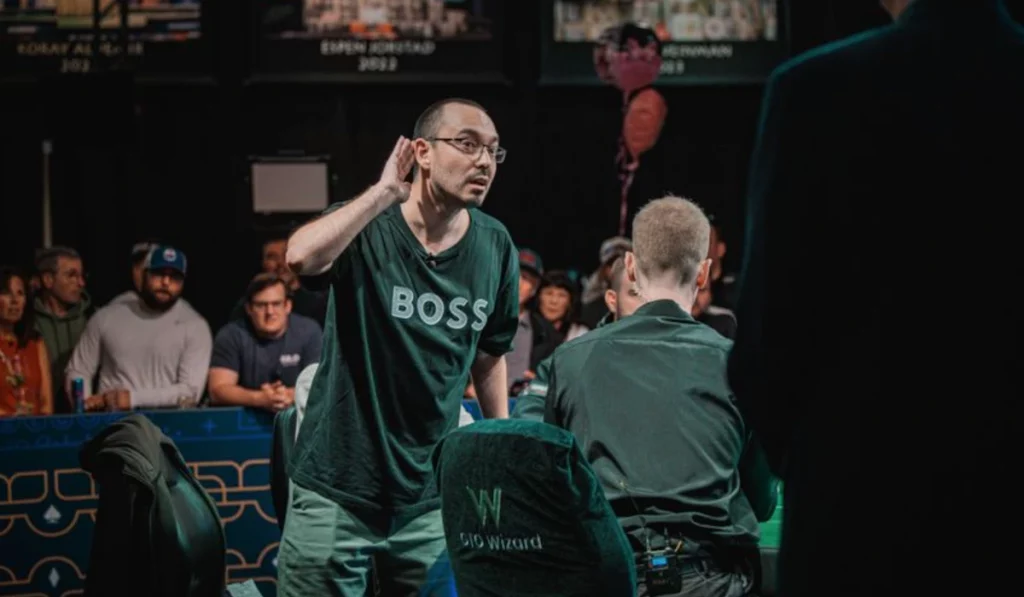
The World Series of Poker has produced some of the most unforgettable moments in poker history. Narrowing this list to just ten hands wasn’t easy, but these moments capture what makes the WSOP so memorable: brutal coolers, fearless bluffs, incredible reads, and tournament-defining decisions. We’ve broken down each hand street by street, highlighting the strategy behind the plays that shaped poker history.
Not every big pot earns a place in poker history. The WSOP has produced hundreds of incredible hands over the years, but only a handful have become part of poker’s collective memory. Our list focuses on the televised era following Chris Moneymaker’s 2003 Main Event win, which turned the tournament into a global phenomenon.
While iconic hands existed before the hole-card camera, they don’t have the same impact as moments where viewers could follow every decision in real time. Being able to watch each player’s thought process unfold is what transformed these hands from memorable pots into poker history.
Motoyuki Mabuchi and Justin Phillips collided in one of the most extremely rare hands in the 2008 WSOP Main Event.
Board: A♥ 9♣ Q♦ 10♦ A♦
Action: Because this hand was played on an outer table, the broadcast only picked up the action on the river. Mabuchi led out, Phillips counted out a raise, and after a brief pause, Mabuchi announced “Gamble!” before moving all in. Phillips called instantly and tabled a royal flush, while Mabuchi slammed down quad aces in frustration.
Analysis: Without seeing the earlier streets, it’s difficult to know exactly how the hand developed. Holding both aces blocks many of the strongest hands Phillips could have, making a check to induce a bluff or value bet from a weaker hand an attractive option. Once Phillips raises, however, Mabuchi has little reason to believe he’s beaten, making the shove a natural play.
This is one of the biggest coolers in WSOP history. A royal flush beating quad aces is so rare that ESPN’s broadcast estimated the odds at roughly 1 in 2.7 billion, making it one of the most improbable hands ever seen at the Main Event.
After qualifying for the 2003 Main Event through an $86 online satellite, amateur Chris Moneymaker found himself heads-up against poker legend Sammy Farha. Many expected the experienced pro to come out on top, but this hand became one of the defining moments in poker history.
Board: 9♠ 2♦ 6♠ / 8♠ / 3♥
Action: Moneymaker raised preflop with K♠7♥, and Farha called with Q♠9♥. After Farha flopped top pair, he checked to Moneymaker, who checked behind. The 8♠ gave Moneymaker a flush draw and gutshot, prompting him to raise Farha’s turn bet. Farha called, then checked the river after the 3♥ completed the board. Moneymaker moved all in with king-high, and after a long tank, Farha folded the best hand.
Analysis: Moneymaker’s line was unconventional, which ultimately made it believable. After checking back the flop, his turn raise represented a completed flush or straight rather than a draw. Despite holding the Q♠ blocker, Farha concluded Moneymaker wasn’t bluffing often enough to justify a call. It’s a great example of how a believable story can be more important than the cards you’re holding.
This bluff completely changed the momentum of the heads-up match. Moneymaker went on to win the 2003 Main Event, launching the poker boom and creating what became known as the Moneymaker Effect.
It isn’t often that two of the strongest players in the field collide on Day 1 of the Main Event, but that’s exactly what happened when Vanessa Selbst and Gaëlle Baumann found themselves at the same table. What followed became one of the biggest coolers of the tournament.
Board: A♣ 7♣ 5♣ / 7♥ / 4♦
Action: Selbst raised preflop with A♠A♦, and Baumann called with 7♥7♦. Selbst flopped top set and continued with a small c-bet, while Baumann slow-played middle set by just calling. The turn gave Baumann quad sevens, but Selbst still believed she held the best hand and check-raised after Baumann bet. On the river, Selbst overbet the pot, Baumann moved all in, and after a long tank, Selbst called to see the bad news.
Analysis: Both players took logical lines based on the strength of their hands. Selbst’s turn check-raise and river overbet were designed to get maximum value from flushes and weaker full houses, while Baumann wisely allowed her opponent to keep betting. Facing the river shove, Selbst came close to finding an incredible fold, but with the second nuts, calling was understandable.
Set over set is already rare, but watching top set run into quads on Day 1 of the Main Event is almost unheard of. The hand became one of the defining moments of the 2017 tournament and showed that even the best players can’t always escape a brutal cooler.
With just 27 players remaining in the 2016 Main Event, James Obst faced one of the toughest decisions of his career. Despite making a full house on the river, he trusted his read and pulled off one of the greatest hero folds in WSOP history.
Board: Q♠ J♣ 7♣ / 10♣ / 10♦
Action: Michael Ruane called preflop with 9♣8♣, while James Obst defended with 7♦7♥. Obst flopped a set, while Ruane picked up a straight and flush draw, and the two quickly built a massive pot. The turn completed Ruane’s straight flush, though Obst couldn’t know it. After calling a small turn bet, Obst improved to a full house on the river and led with a blocker bet. Ruane responded by moving all in, and after a long tank, Obst folded face up.
Analysis: Folding a full house seems impossible, but Obst carefully narrowed Ruane’s range throughout the hand. Once Ruane called the flop 3-bet, completed the obvious draws on the turn, and shoved over the river blocker bet, very few value hands still made sense. Trusting that logic over the absolute strength of his hand, Obst found a remarkable fold.
Hero folds don’t get much bigger than this. Faced with one of the strongest hands in poker, Obst correctly concluded he was beaten by the only realistic holding: a straight flush. It’s still regarded as one of the greatest reads ever made in the WSOP Main Event.
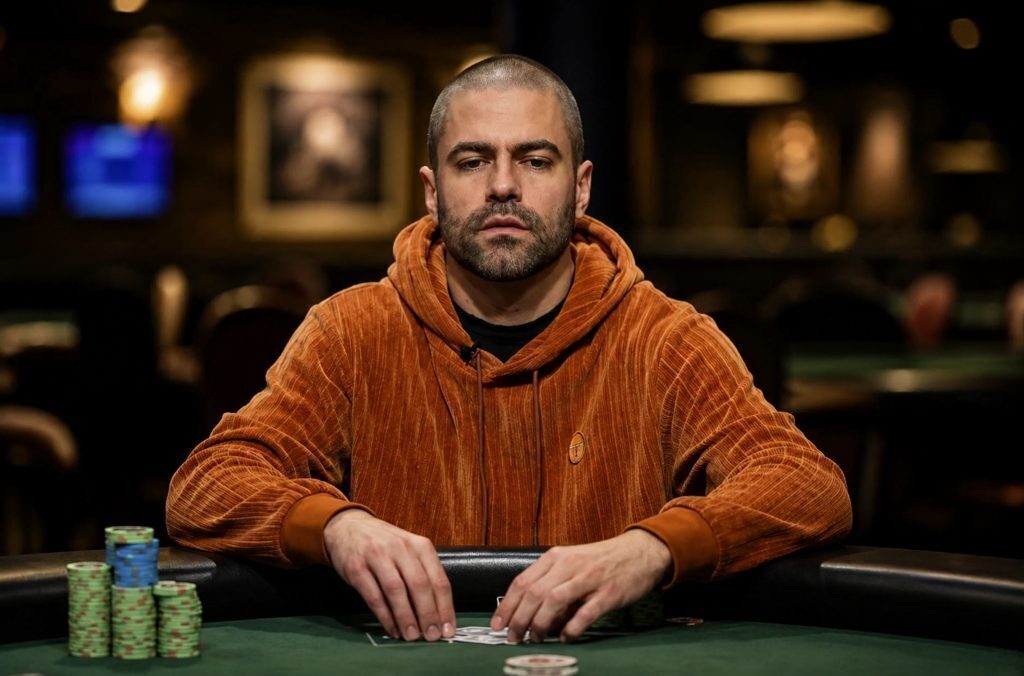
Pocket aces are every poker player’s dream, especially in a $1 million buy-in event. Unfortunately for Connor Drinan, Cary Katz woke up with the only hand that could match him, and the board delivered one of the cruellest bad beats in WSOP history.
Board: K♥ 5♥ 2♦ / 4♥ / 2♥
Action: Drinan held A♦A♣, while Katz looked down at A♠A♥. After a preflop raising war, both players got all their chips into the middle before the flop. Drinan was a huge favourite to chop the pot, but the board ran out four hearts, giving Katz a runner-runner flush and eliminating Drinan from the $1 million One Drop event.
Analysis: Neither player could have done anything differently. With pocket aces against pocket aces, getting all the chips in preflop is always the correct decision. Sometimes poker simply comes down to the runout, and this was one of those moments.
Aces versus aces is already exceptionally rare, but losing to a runner-runner flush in a $1 million tournament makes it unforgettable. It’s one of the most brutal bad beats ever seen on the WSOP stage.
Folding quads sounds impossible, but that’s exactly what Mikhail Smirnov did at the $1 million One Drop event. While the hand wasn’t shown on the feature table, reports from players who witnessed it turned it into one of poker’s most famous stories.
Board: J♠ 8♣ 7♠ / 8♠ / K♠
Action: Smirnov called preflop with 8♦8♥ and flopped middle set against John Morgan. After leading the flop and betting again on the turn, Smirnov improved to quad eights. The river completed a four-spade board, and Smirnov fired a big value bet. Morgan responded by moving all in for 3.4 million, and after a long tank, Smirnov folded his quads face up.
Analysis: On the surface, folding four of a kind seems unthinkable. However, the action throughout the hand heavily narrowed Morgan’s range. With the preflop action and river shove, Smirnov concluded that a straight flush was the only hand that made sense. The discipline to fold quads under that pressure remains extraordinary.
Very few players would ever consider folding four of a kind, especially in a $1 million tournament. The hand has become part of WSOP folklore and remains one of the boldest folds ever reported.
With just two tables remaining in the 2010 Main Event, Jonathan Duhamel and Matt Affleck were among the biggest stacks left in the field. Their clash produced one of the tournament’s defining moments and changed the course of the championship.
Board: 10♦ 9♣ 7♥ / Q♦ / 8♦
Action: Duhamel 4-bet preflop with J♣J♠ after Affleck 3-bet with A♣A♥. Affleck chose to trap by calling rather than 5-betting. Duhamel called a continuation bet on the flop before facing an all-in shove on the turn after picking up a double gutshot. Despite being a significant underdog, Duhamel made the call and completed his straight on the river, eliminating Affleck.
Analysis: Both players took unconventional lines before the flop, with Duhamel 4-betting jacks and Affleck slow-playing aces. Affleck’s shove on the turn made sense given the ranges involved, but Duhamel decided his combination of an overpair and straight draw was strong enough to continue. The river rewarded that decision, even if the call itself remains a debated one.
The pot gave Duhamel a commanding chip lead, which he converted into the 2010 WSOP Main Event title. Affleck’s stunned reaction after the river card only cemented the hand as one of the most memorable moments in Main Event history.
Heads-up for the 2016 WSOP Main Event title, Qui Nguyen’s relentless aggression was put to the test against the more cautious Gordon Vayo. This hand perfectly captured the contrast between their styles and showed why controlled aggression can be so effective.
Board: 9♣ 4♣ 2♦ / T♥ / 5♠
Action: Nguyen raised preflop with J♦5♦, and Vayo called with Q♥9♦. Vayo flopped top pair and called bets on both the flop and turn as Nguyen continued firing with little equity. The river paired Nguyen’s five, but after Vayo checked for a third time, Nguyen shoved all in. Following a long tank, Vayo folded the best hand.
Analysis: Nguyen recognised that Vayo had been making cautious decisions throughout the final table and applied maximum pressure by betting all three streets. While his river bluff was ambitious, it told a believable story and forced Vayo to risk his tournament life with just one pair. The combination of tournament pressure and Nguyen’s fearless image ultimately pushed Vayo into a fold.
This hand defined the heads-up battle between Nguyen and Vayo. It showed how relentless aggression, combined with the pressure of playing for the Main Event title, can force even strong hands into the muck and helped propel Nguyen to the 2016 WSOP championship.
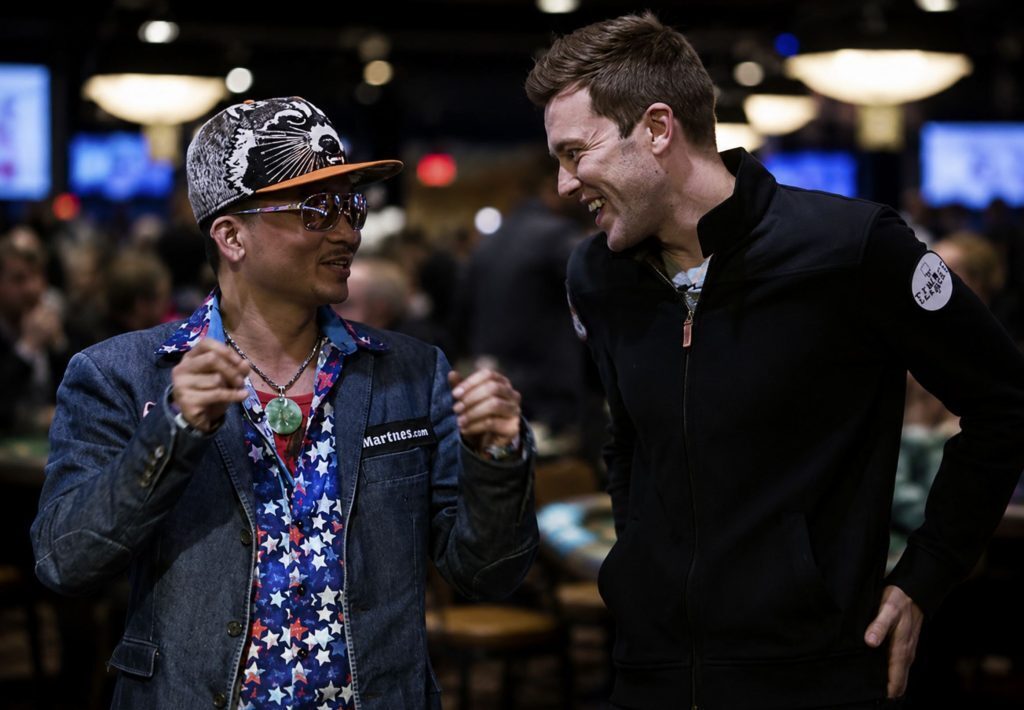
Joe Cada entered heads-up play with a chip lead, but Darvin Moon battled back to make the match competitive. In the end, the 2009 WSOP Main Event came down to a single coin flip.
Board: 2♣ 7♠ 8♣ / K♥ / 7♣
Action: Cada raised preflop with 9♣9♦, and Moon 3-bet with Q♦J♦. Cada responded by shoving for around 60 big blinds, and Moon made the call. Cada’s pocket nines held through the runout, surviving Moon’s overcards to secure the Main Event title.
Analysis: While both players got their chips in preflop, their decisions remain controversial. Shoving 99 for 60 big blinds is far from standard, as it often folds out weaker hands while getting called by stronger ones. Moon’s call with Q♦J♦ was equally aggressive, but he appeared willing to take a coin flip rather than try to outplay Cada in a long heads-up battle.
Rather than ending with an elaborate bluff or dramatic hero call, the 2009 Main Event was decided by a simple race. The hand made Joe Cada the youngest WSOP Main Event champion at the time and remains one of the most memorable title-clinching hands in tournament history.
Chris Moneymaker had already seized the momentum with his famous bluff, but one final hand against Sammy Farha was all that stood between the amateur qualifier and poker immortality.
Board: J♠ 5♠ 4♣ / 8♦ / 5♥
Action: Farha raised preflop with J♥T♦, and Moneymaker defended with 5♦4♠. Farha flopped top pair, while Moneymaker made bottom two pair. After Farha’s continuation bet, Moneymaker check-raised, prompting Farha to move all in. Moneymaker called instantly, and his two pair held through the turn before improving to a full house on the river to win the 2003 WSOP Main Event.
Analysis: Both players had strong reasons for their decisions. Moneymaker’s check-raise maximised value against Farha’s wide continuation betting range, while Farha’s shove applied pressure to the many draws Moneymaker could have been raising with. Unfortunately for Farha, Moneymaker held one of the few hands strong enough to call.
This hand crowned Chris Moneymaker as World Champion and cemented one of the most influential moments in poker history. His victory proved that an amateur could beat the world’s best, sparked the “Moneymaker Effect,” and helped fuel the online poker boom that transformed the game for years to come.
While some of these hands are pure coolers, others show the kind of range reading, discipline, and pressure awareness that can improve your own game. The biggest lesson is simple: don’t focus solely on your own hand. Look at the full story your opponent is telling.
The Obst full house fold (2016): This hand is a masterclass in range narrowing. Obst worked through the action street by street and realised Ruane’s line only made sense with an extremely strong hand. In similar spots, ask yourself what your opponent can realistically have by the river.
The Selbst vs. Baumann set-over-set hand (2017): Even with the second nuts, Selbst knew something was wrong when Baumann shoved the river. She ultimately called, but her thought process is still useful. Strong hands are not automatic calls when your opponent’s line becomes heavily polarized.
The Smirnov quads fold (2012): This hand shows why every street matters. Morgan’s preflop call and postflop action made hands like JJ or KK unlikely, leaving the straight flush as the most logical holding. Before snap-calling with a monster, ask what hands actually make sense.
The best WSOP hands aren’t just memorable because of the money involved. They showcase the moments that define tournament poker, from incredible reads and fearless bluffs to brutal coolers and championship-winning decisions. Whether you’re looking to improve your game or simply relive poker history, these hands offer a fascinating look at how the game’s biggest moments unfold.
While some outcomes came down to luck, many were shaped by disciplined decision-making and a deep understanding of opponents’ ranges. Revisit these hands whenever you want to sharpen your own thinking at the table or appreciate the moments that helped shape modern poker.
Joao Simao lifts the Triton Invitational trophy on the final-table stage at LES A Casino, Jeju Island, South Korea. Brazil’s

Phil Hellmuth’s cash-game table on the latest episode of Hellmuth’s Home Game, filmed at the Grand Sierra Resort in Reno,

By Sandra Gaweda · Published September 8, 2026 · 4 min read Daniel Iachan lifts the trophy at Live! Casino





Comments